


Visual
Whether you’re updating a Facebook page or personal profile, a professional cover will help you stand out. And thanks to the Desygner app, you can create your cover the moment inspiration strikes https://seventhstreetsystems.com. Snap a photo, open the app, upload the file and start designing.
Yes, the AI-generated cover photos created using Venngage’s tools are copyright-free. You can use them for both personal and commercial purposes without any restrictions on copyright. However, it’s always good practice to ensure that any externally sourced content you include is also cleared for use.
Yes, there are a variety of design generators available on Venngage. Along with the AI Cover Photo Generator, Venngage offers tools to create infographics, social media posts, reports, and more. These AI design tools are easy to use and customizable, helping you generate professional visuals quickly to match your style and needs.

Cinematic artwork
The blog will also discuss the impact of this fusion on contemporary art, exploring how the blurring of boundaries between film and painting influences current artistic practices and future trends. We will conclude by reflecting on the significance of this interdisciplinary approach and encouraging readers to explore paintings with cinematic qualities, deepening their appreciation for the intricate relationship between these two powerful forms of art.
The relationship between film and painting is a fascinating interplay of visual arts, where each medium has continually borrowed and evolved from the other. Since the advent of cinema in the late 19th century, the dynamic and immersive nature of film has captivated audiences and influenced various forms of artistic expression. Painters, in particular, have been inspired by the narrative and visual techniques developed in cinema, incorporating these elements into their work to create compositions that are rich in storytelling and emotional depth.
Contemporary artists continue to draw inspiration from cinematic techniques, using them to enhance narrative and emotional depth in their work. The interplay between film and painting remains a fertile ground for creative exploration, leading to innovative and thought-provoking compositions.
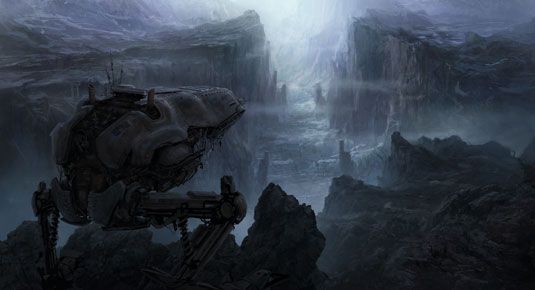
The blog will also discuss the impact of this fusion on contemporary art, exploring how the blurring of boundaries between film and painting influences current artistic practices and future trends. We will conclude by reflecting on the significance of this interdisciplinary approach and encouraging readers to explore paintings with cinematic qualities, deepening their appreciation for the intricate relationship between these two powerful forms of art.
The relationship between film and painting is a fascinating interplay of visual arts, where each medium has continually borrowed and evolved from the other. Since the advent of cinema in the late 19th century, the dynamic and immersive nature of film has captivated audiences and influenced various forms of artistic expression. Painters, in particular, have been inspired by the narrative and visual techniques developed in cinema, incorporating these elements into their work to create compositions that are rich in storytelling and emotional depth.
Film graphic
“And we are actually planning to do some of our own workshops in the next six months as a result of constantly meeting people who don’t know how to take their graduate skills to the next step. The idea is to run some weekend workshops in the coming months, based in London, for small groups looking to develop their graphic design in film skills.
Scene Graphics: These are graphics for set dec or props to establish a scene. To illustrate, in a library study scene, it may be necessary to include more books around a character that is open or stacked up than is written in the script. This establishes the library setting and creates a sense of time passing, making the scene more authentic and engaging. These same graphics are not necessarily present in other scenes shot on the same set.
Color can also represent changes in time and space, guiding the audience’s comprehension of the chronological and spatial components of the narrative. Color can also represent themes and motifs, boosting storytelling through subtle visual signals.